Pets are part of the family, so it makes sense to consider them when choosing flowers for someone’s home. This pet-safe collection brings together beautiful floral gifts featuring varieties generally classified as non-toxic to cats and dogs, helping you choose a thoughtful surprise for a pet parent with greater confidence.
The collection includes sunflowers, gerbera daisies, phalaenopsis orchids, classic roses, rainbow roses, blue roses, mixed-colour roses, boxed arrangements, vase designs, and larger rose presentations. These options range from cheerful and colourful to elegant and modern, making it easier to match the flowers to the recipient’s personality and space.
Roses are a versatile choice for pet-friendly homes because they come in many colours and arrangement styles. Red roses can feel expressive and romantic, yellow roses bring warmth and happiness, mixed roses create a lively presentation, and blue or rainbow roses are distinctive choices for someone who enjoys unexpected colour. Roses are classified as non-toxic to cats and dogs, although thorny stems should still be kept away from curious paws.
Sunflowers and gerbera daisies are cheerful options for birthdays, congratulations, appreciation, house visits, or everyday surprises. Their bright petals can immediately lift a room, and both are included among flowers recognized as non-toxic to cats and dogs.
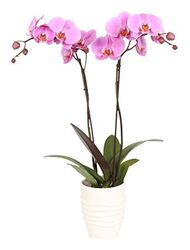
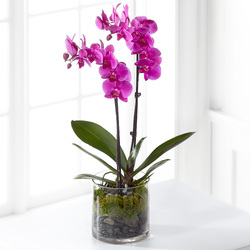
Phalaenopsis orchids offer a more elegant plant gift for someone who shares their home with pets. Their graceful blooms and polished presentation work beautifully on a table, desk, counter, or reception area, and the ASPCA classifies phalaenopsis orchids as non-toxic to both cats and dogs.
Pet-safe does not mean that flowers should be treated as food. Eating plant material may still cause mild stomach upset, even when the variety is considered non-toxic. Place bouquets and plants where pets cannot chew the flowers, drink the vase water, knock over the container, or reach decorative accessories.
When sending flowers to a cat or dog owner, consider where the arrangement will be displayed. A stable vase or structured flower box may be practical for a busy household, while an orchid planter can work well on a higher surface. Choosing an arrangement that suits both the recipient’s style and their pet-friendly home makes the gift feel especially thoughtful.
Frequently Asked Questions About Pet-Safe Flowers and Gifts
What flowers are safe for cats?
Roses, sunflowers, gerbera daisies, phalaenopsis orchids, snapdragons, freesias, and several other varieties are classified as non-toxic to cats. Always check every flower and filler in a mixed arrangement, as one safe bloom does not automatically make the entire bouquet cat-safe.
What flowers are safe for dogs?
Roses, sunflowers, gerbera daisies, orchids, snapdragons, freesias, and statice are among the flowers considered non-toxic to dogs. Keep arrangements out of reach because chewing plant material can still cause digestive discomfort.
Are roses safe for cats and dogs?
Yes. True roses from the Rosa genus are classified as non-toxic to cats and dogs. Their thorns can still cause scratches or injuries, so arrangements should be placed securely and away from playful pets.
Are orchids safe for cats?
Phalaenopsis orchids are considered non-toxic to cats and dogs. They are a popular choice for pet owners who prefer an elegant flowering plant rather than a traditional bouquet.
Are sunflowers safe for cats and dogs?
Yes. Sunflowers are included among flowers considered non-toxic to cats and dogs. They should still be kept out of reach because eating any unfamiliar plant material may cause mild stomach upset.
Are gerbera daisies safe for pets?
Gerbera daisies are classified as non-toxic to cats and dogs. Their bold colours make them a cheerful choice for pet-friendly homes, but pets should not be encouraged to chew or eat them.
What flowers should cat owners avoid?
Cat owners should avoid true lilies, including Asiatic and daylily varieties. Exposure to the flowers, leaves, pollen, bulbs, or vase water can cause severe kidney injury in cats and requires immediate veterinary attention.