
Low Light Indoor Plants
Bring natural beauty into spaces with limited sunlight. Explore low-light indoor plants chosen for comfortable rooms, quiet corners, and interiors where bright direct sun is difficult to find.
Delivery date and postal code set successfully.
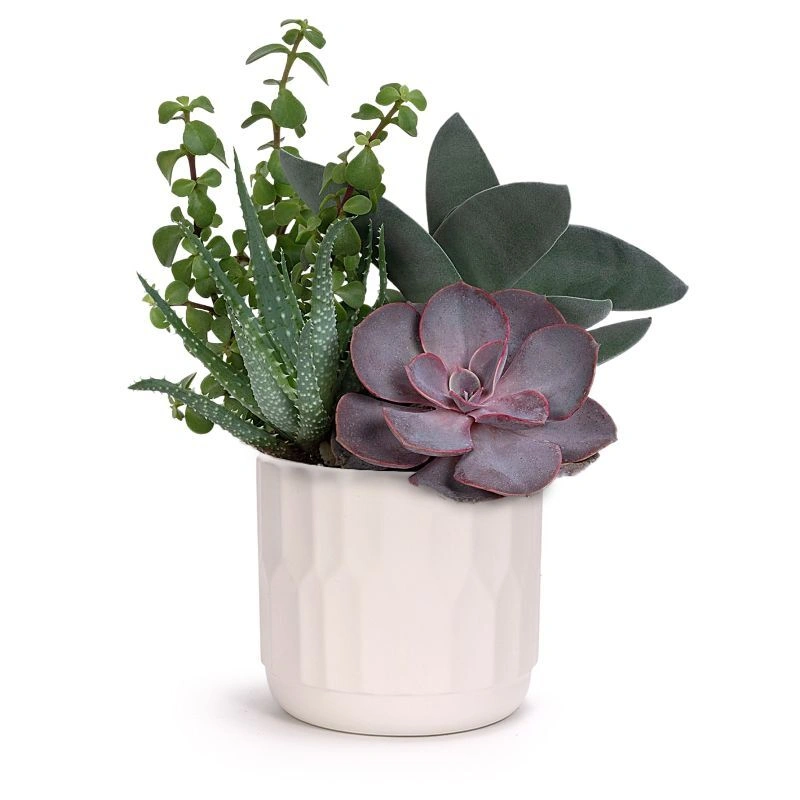
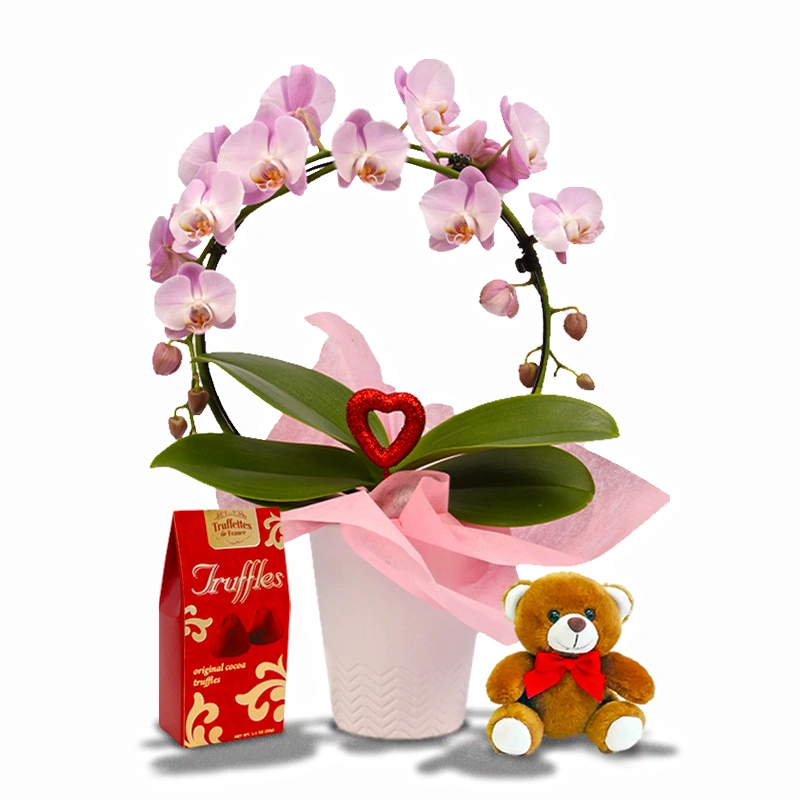
Not every home has large, sun-filled windows, but that does not mean it cannot enjoy the warmth and character of an indoor plant. Low-light houseplants make it easier to add natural greenery to rooms with softer, indirect light.
“Low light” does not mean complete darkness. Every plant needs light, but some indoor varieties can grow in places with little or no direct sunlight, such as near a north-facing window or in a reasonably bright interior corner.
Before choosing a plant, consider where the recipient may display it. Look at the direction of nearby windows, how far the surface is from the light source, and whether curtains, buildings, or furniture reduce the available daylight.
Low-light indoor plants are especially useful for spaces where bright-light varieties may not be the right fit. Their foliage can add colour, texture, and a welcoming natural element without requiring the sunniest spot in the room.
Choose the plant size according to the recipient’s available space. A compact plant can suit a shelf, side table, or smaller surface, while a taller design can add greenery to an open corner or larger room.
Leaf colour can also help guide the choice. Plants with darker green foliage are often better suited to lower-light conditions than highly colourful or heavily variegated varieties, although the needs of each plant should always be checked individually.
Plants generally grow more slowly and use water less quickly in lower light. Rather than watering on a fixed schedule, the recipient should check the soil and follow the care instructions provided with the specific plant.
Rotating the container occasionally can help different sides of the plant receive available light. If the chosen space is especially dim, a suitable plant light can also supplement the natural light in the room.
A low-light plant makes a thoughtful gift for someone who wants more greenery at home but does not have an especially sunny interior. Add a personal card message and give them something beautiful that can become part of their everyday space.
Frequently Asked Questions About Low-Light Indoor Plants
What does low light mean for an indoor plant?
Low light usually means a space with little or no direct sunlight, such as a north-facing window or a reasonably bright area farther from a window. It does not mean a completely dark room.
Can indoor plants grow in a room without windows?
Plants still need usable natural or artificial light. A room without windows may require a suitable plant light to provide the energy the plant needs.
How do I know whether a room has enough light for a plant?
Observe whether the room receives indirect daylight for part of the day and whether you can comfortably see and read without turning on strong lighting. The plant’s individual care requirements should guide the final placement.
Where should I place a low-light indoor plant?
Choose a location that receives soft, indirect light, such as near a north-facing window or within a room that stays naturally bright without direct sun reaching the leaves.
Do low-light plants need less water?
They often use water more slowly because growth is reduced in dimmer conditions. Check the soil before watering rather than following the same schedule used for plants in brighter light.
Are low-light plants easy to care for?
Some are relatively straightforward to maintain, but care needs still vary by plant. Light, watering, temperature, drainage, and humidity should all match the selected variety.
Can I place a low-light plant under regular indoor lighting?
Some plants can tolerate spaces supported by fluorescent or other indoor lighting, but the amount and duration of light still matter. A plant light may be useful when the room receives very little daylight.
Are all low-light indoor plants safe for pets?
No. Light tolerance does not determine whether a plant is pet-safe. Check the specific plant variety before sending it to a home with cats, dogs, or other pets.